
Understanding Adaptive Web Storytelling Frameworks
Have you ever landed on a website and felt like it was speaking directly to you? That's not magic, it's the result of adaptive web storytelling frameworks. These frameworks are designed to morph content in real-time based on the user's interaction, preferences, and behavior. But why is this significant? Because telling a compelling story makes all the difference in hooking visitors and keeping them around long enough to convert them into customers. Or, in some cases, advocates for your brand.
Adaptive storytelling effectively blends cutting-edge technologies with age-old narrative techniques. It allows businesses to craft experiences that are not only engaging but also deeply personalized. That level of personalization can take engagement to another level entirely.
How Does Adaptive Storytelling Work?
Data Collection and Analysis
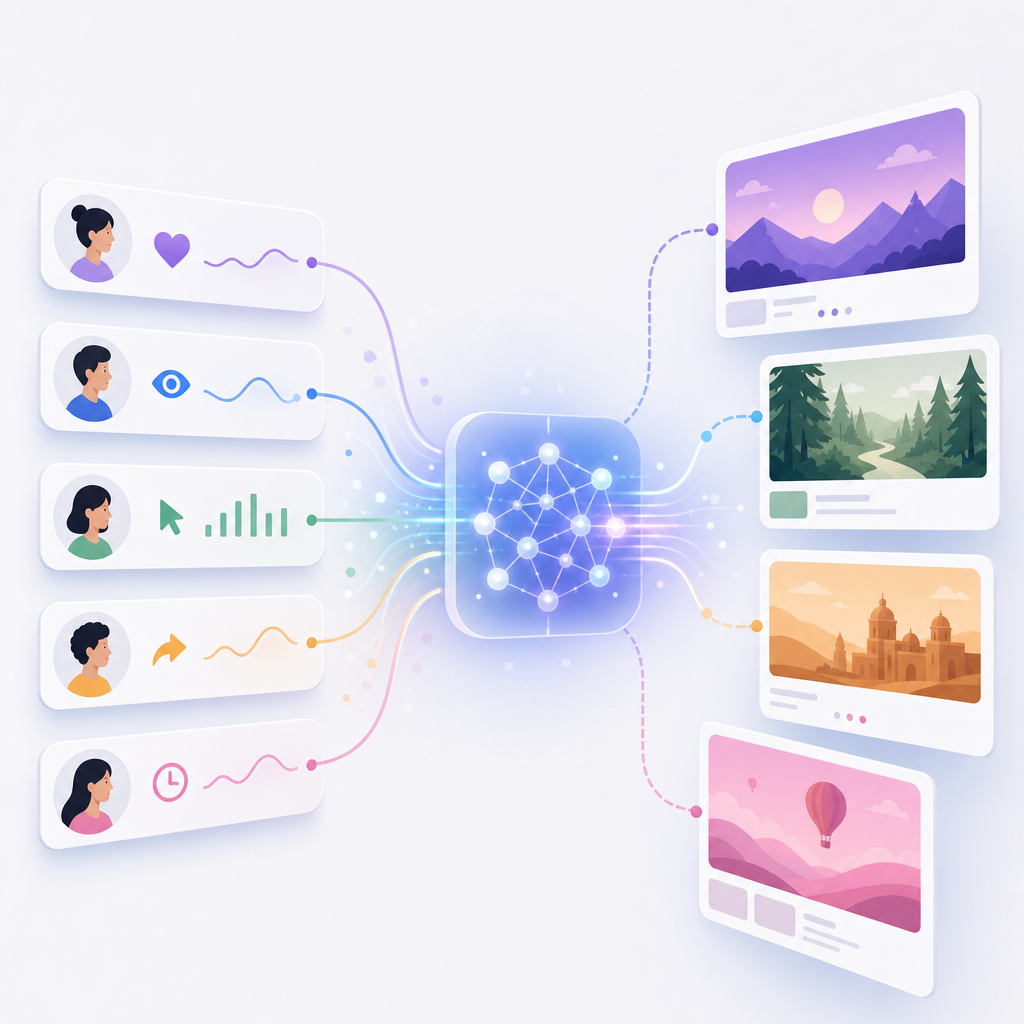
The first step involves gathering data. Adaptive frameworks rely heavily on user data, which includes voluntary information like preferences or implicit data such as browsing history. By using analytical tools, businesses can paint a detailed picture of the end-user. And, this is crucial—by understanding who they're talking to, they can tailor narratives that resonate immediately.
Dynamic Content Delivery
Once you have the data, the next step is delivering content that adjusts and changes as the user interacts with it. Imagine a Choose-Your-Own-Adventure book that adapts to your mood; only here, it's seamlessly occuring on your browser. This is made possible by integrating AI and machine learning algorithms that crunch data in real-time to display content that aligns with user intent.
Segmentation and Personalization
For adaptive storytelling to work, it's essential to categorize users into segments. This could be based on demographics, psychographics, or behavioral data. By segmenting, you can personalize each storyline in a way that speaks directly to the sector of your audience. Now, take a moment to consider the potent combination of segmentation and personalization. It's basically the secret sauce that skiesrocket user engagement.
Benefits of Using Adaptive Frameworks
Increased User Engagement
Let's cut straight to the chase. The ultimate aim of adaptive storytelling is engagement. By showing users content that's relevant to their current needs and emotions, you're sparking a connection. Actually, let me put that differently. You're not just sparking a connection; you're building a relationship, one interaction at a time. And, relationships are the groundwork for continued engagement.
Boosted Conversion Rates
If user engagement is the cake, then conversion rates are undoubtedly the cherry on top. Companies with adaptable storytelling frameworks often see an uptick in conversions simply because they're delivering what their audience wants when they want it. The storytelling adapt convincingly transitions them down the funnel—acting less like a salesperson and more like a trusted advisor. The result: more clicks, more sales.
Improved User Experience
We've all abandoned a webpage because we found it too complex or boring, haven't we? Another benefit of adaptive storytelling is its immense potential to cut down on bounce rates. Since users find content precise and tailored to them, the time they spend on the site naturally lengthens. For startups looking to improve their site's usability, mastering web usability principles can complement adaptive storytelling beautifully.
Implementing Adaptive Storytelling in Your Strategy
Setting Up the Framework
Setting up an adaptive storytelling framework might seem daunting. But it doesn’t have to be a Herculean task if you approach it systematically. Start simple—begin with tools you’re already using, like CMS platforms that support A/B testing or plugins designed for customization. Gradually layer in more sophisticated technologies like AI when you’re comfortable.
Integrating with Existing Systems
No one expects you to overhaul your entire digital setup at once. Incorporate adaptive elements into your existing systems. For instance, if you're leveraging SEO tools, look for ways to automate your SEO processes while maintaining narrative consistency. Over time, these piecemeal integrations could lead to a robust adaptive storytelling framework.
Measuring Success
So, you've implemented your framework, but how do you measure its effectiveness? Regular analytics reviews are mandatory. Look for increases in metrics like dwell time, click-through rates, and notably, conversions. Monitor segments carefully to explore which user journeys excel and which need optimization.
Case Studies: Adaptive Storytelling in Action
Pepsi's Interactive Video Campaign
Take Pepsi, which launched an interactive video series as part of its branding strategy. Users could change aspects of the video, creating micro-narratives that appealed directly to them. This smart use of storytelling heightened engagement levels and significantly expanded their reach.
Netflix's Personalized Recommendations
It's no secret that Netflix's recommendations keep us glued to our screens. These personalized prompts result from adaptive storytelling frameworks analyzing our viewing history and preferences. Each recommendation is a hidden narrative that beckons us to watch "just one more" episode.
Common Pitfalls and How to Avoid Them
Despite their advantages, adaptive storytelling frameworks aren't without challenges. Data privacy is a significant concern. Always ensure compliance with applicable data protection laws to safeguard user trust. Also, over-personalization can backfire; it might come across as invasive or creepy. Think of it as seasoning—just enough to add flavor, but not too much to spoil the dish.
Another pitfall is technological dependency. As with any digital strategy, relying excessively on technology can be risky. Maintain human oversight to ensure that technology aids, rather than dictates, your narrative strategies.
Final Thoughts
Adaptive web storytelling frameworks genuinely have the power to bring personalized experiences to users worldwide. They're the next leap forward in the digital evolution of narratives. But, businesses that strategically implement this technology can create substantial trust and deeper engagement. So, is your business ready to tell a better, more adaptive story?