
Understanding Simplified Web Design Tools
For many entrepreneurs, diving into the world of web design can feel like a daunting task. You might be wondering, "Do I need to learn complex coding to build an impactful site?” The good news is you don’t. Simplified web design tools empower anyone, regardless of technical skill, to create stunning online presences. These tools demystify the process, allowing focus on creativity and business strategy, rather than coding.
Key Features of Simplified Tools
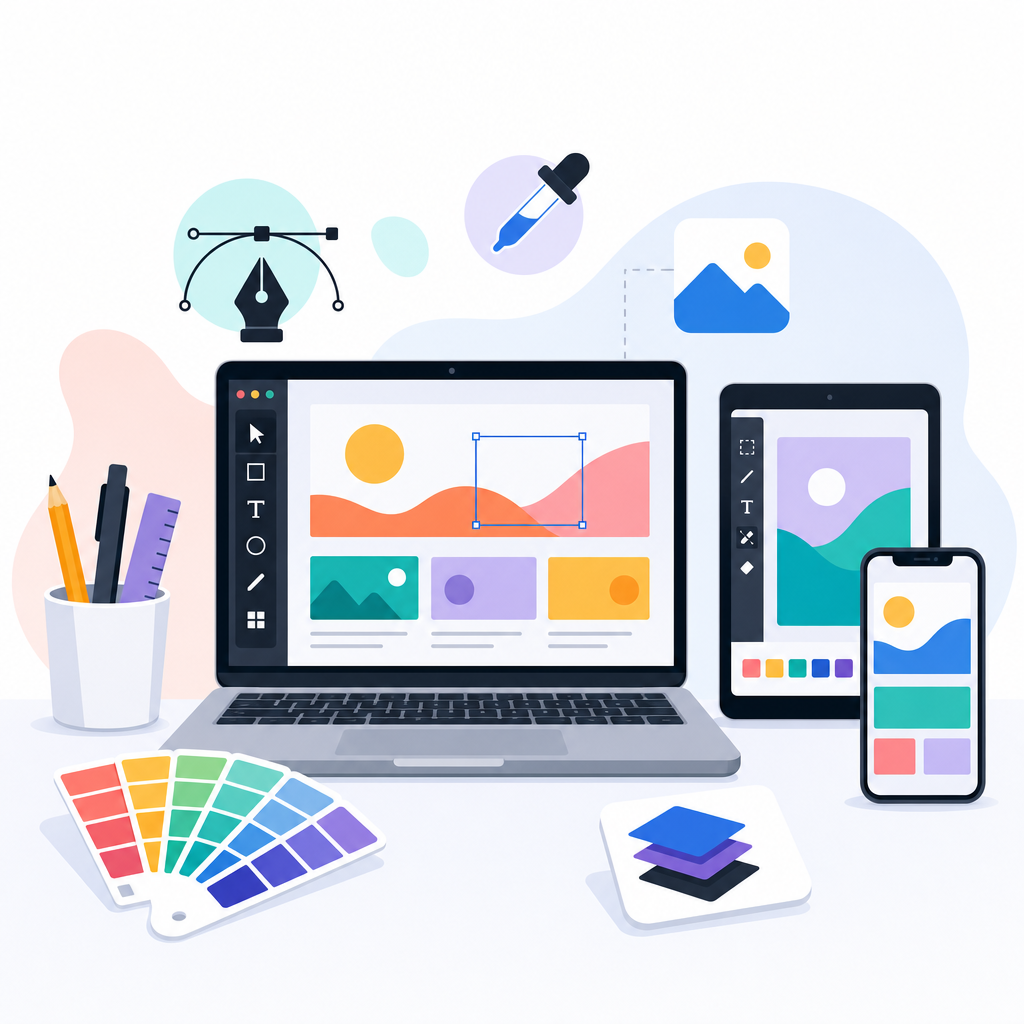
So, what makes these tools simple and effective? Generally, they come with drag-and-drop interfaces, offering pre-designed templates that require minimal adjustments. They often include visual editors, which give you real-time previews of your changes. Plus, with built-in SEO features, they're designed to optimize your site for search engines without a headache.
Advantages Over Traditional Tools
While traditional tools like WordPress provide flexibility, they often require steep learning curves. Simplified tools minimize complexity, allowing you to implement changes swiftly—critical for fast-paced entrepreneurial environments. You’ll literally cut down the time from conceptualizing a design to launching a full-fledged site.
Top Simplified Web Design Tools Available
Choosing the right tool can set the tone for your business’s digital identity. Let’s explore a few standout options that have been turning heads.
Wix
Wix is one of the most user-friendly web design platforms available today. It provides a vast library of templates suitable for various industries. Its AI integration can help create a website in mere minutes. Plus, Wix’s seamless content integration enhances marketing activities directly on your site. For instance, if you're launching an online store, Wix offers e-commerce capabilities that are second to none.
Squarespace
Squarespace shines in aesthetic appeal. It's perfect for entrepreneurs who prioritize design and brand consistency. The tool’s robust blogging platform also allows for effective content marketing strategies. Coupled with built-in analytics, Squarespace makes tracking your audience’s engagement effortless.
Shopify
If e-commerce is your game, Shopify should be on your radar. It simplifies setting up an online store and manages product inventory virtually. With a plethora of apps, Shopify enhances functionality—from launching marketing campaigns to syncing with social media channels. Actually, let me put that differently: Shopify offers an all-encompassing environment that manages both the front-end and back-end of e-commerce effectively.
Integrating SEO Best Practices
It’s not just about aesthetics; ensuring your website is easily found by search engines is crucial too. Simplified tools often have SEO practices built-in, but there's more you can do.
Keywords
Effective keyword strategy is essential. Tools like Wix and Squarespace offer guidance on implementing keywords into your site. Pairing these with best keyword research tools could vastly amplify your SEO efforts, helping you target the right audience and boost your site’s visibility.
Mobile Responsiveness
Your site must be mobile-friendly. Honestly, if it isn’t, you're missing out on a massive chunk of potential traffic. Most simplified web design tools automatically optimize your site for mobile devices, but always test them. Ensure text adjustments and images scale seamlessly.
Addressing Common Challenges
Even with simplified tools, some challenges remain. Ever tried figuring out why your page isn't loading properly? Frustrating, right?
Loading Speed
Pages that load slowly deter visitors. To combat this, regularly audit your site through speed test tools available online. Reducing image sizes and eliminating unnecessary plugins can significantly boost loading times. Don’t forget, speed affects your site’s ranking too.
Content Management
Maintaining fresh, engaging content is vital. Consider automating updates and using SEO automation tools for ongoing tweaks. These strategies help retain engagement and provide current information, keeping your audience informed and interested.
Future Trends in Simplified Web Design
Web design is evolving, and staying updated is crucial. Emerging trends suggest an inclination towards AI-driven designs, where customization becomes even more intuitive. The idea is to predict user demands, potentially suggesting layout changes and improved user interfaces based on visitor interaction history.
AI and Personalization
AI integration is expanding within web design tools, offering personalized experiences to visitors. As AI evolves, expect more tools that will allow for automated customizations tailored to individual user habits.
Voice Search Optimization
With the rise of voice-activated devices, optimizing your site for voice search is crucial. Tools are incorporating schema markups and other advanced SEO practices to help sites rank well even in voice search queries.
Look, embracing simplified web design tools doesn’t mean sacrificing quality or functionality. It’s about choosing the right solutions that align with your business goals and resources. What’s the next step for your online presence? Sometimes, it’s all about taking that first leap and exploring your options!