
Understanding Competitor Analysis Tools
Competitor analysis tools are game changers for any business aiming to stay ahead. They don't just collect data; they offer strategic insights into your competitors' strengths and weaknesses. So, why all this buzz about these tools?
These tools help businesses understand their competitive environment by providing information about the competitors' marketing strategies, customer engagement tactics, pricing models, and much more. Look, in the hyper-competitive markets of today, this kind of analysis is not just beneficial—it's essential.
Types of Competitor Analysis Tools
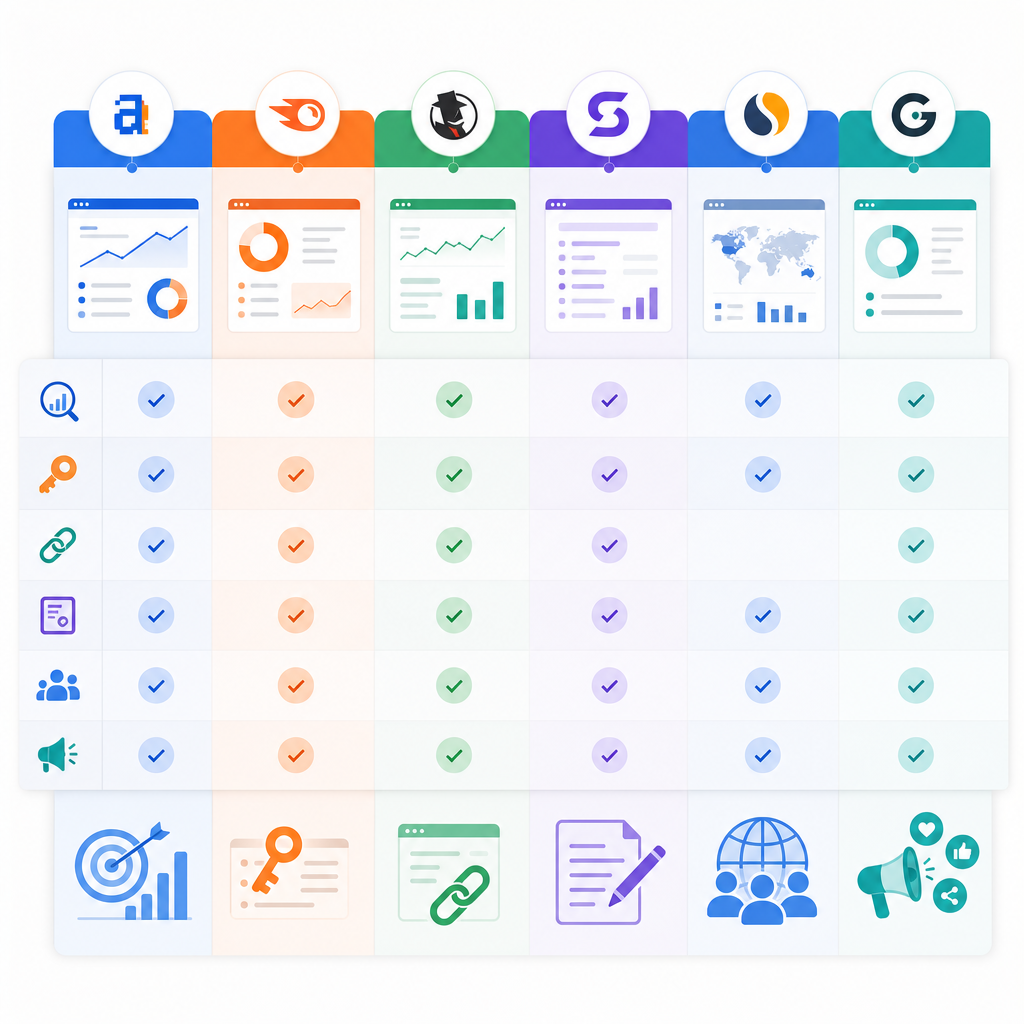
- SEO Analysis Tools: These tools help you understand the keywords your competitors are ranking for. They can guide you in refining your own SEO strategy. Wishing to know more? Check out our article on choosing the best keyword research tools in 2023.
- Social Media Monitoring: Want to know how your competitors are performing on social platforms? Use social media analysis tools to gauge engagement and sentiment.
- PPC Analysis: Interested in your competitors' ad strategies? PPC tools can show you their ad copy, target keywords, and more. It’s your secret weapon to staying competitive in advertising.
- Content Analysis: Analyze what type of content resonates with your competitors' audience. Understanding this helps refine your own content marketing strategy.
Why Businesses Need Competitor Analysis Tools
Here's the thing: businesses that leverage competitor analysis tools gain insights into market gaps they can exploit. It’s not just about knowing what your competitors are doing. It's about understanding why they're doing it.
These tools also enable businesses to establish benchmarks. By understanding industry standards and best practices, you can set realistic benchmarks and assess your business growth and strategy against them.
Actually, let me put that differently. Without competitor analysis, you're flying blind in a storm, with no clear idea of where 'north' is. And in business, that's a dangerous place to be.
Immediate Advantages
- Identifying Industry Trends: Stay ahead by identifying emerging trends in your industry. Knowing what’s on the rise can guide product development and marketing strategies.
- Understanding Customer Needs: Learn what the competition is doing to attract and retain customers. This can reveal gaps in your own approach and help tailor services to meet evolving customer preferences.
- Strategic Product Development: By analyzing competitors' offerings, companies can identify weaknesses or gaps in products currently available in the market, creating opportunities for innovation.
Integrating Competitor Analysis in Strategic Planning
How often should you perform competitor analysis? Regularly. Integrate competitor analysis into your strategic planning processes to ensure you’re always informed. It keeps your strategy up-to-date and relevant.
Decision-making becomes data-driven. You're no longer relying on intuition or outdated data—you're using real-time insights garnered from careful analysis. Want to capitalize on the latest trends? See how automated SEO tools can streamline strategic adjustments.
Tools for Different Stages
Different stages in a company's growth require different kinds of analysis. Are you entering a new market? Competitor analysis tools can offer insights into potential challenges and opportunities. Are you looking to maintain your market position? Continuously track and analyze competitors' strategies to remain competitive.
A well-executed strategy, backed by data, mitigates risk and maximizes opportunity. Remember that.
Case Studies: Successful Use of Competitor Analysis Tools
Now, let's dive into some real-life case studies. These will show you exactly how companies have effectively used competitor analysis tools to boost their performance.
Case Study 1: A Tech Startup
A budding tech startup strategically employed competitor analysis tools to identify weaknesses in the market. Initially focused on providing software solutions for retail management, they noticed through market analysis that most competitors neglected small businesses. By tailoring their software to meet this segment's specific needs, they gained a significant market share.
Case Study 2: An E-commerce Brand
An e-commerce giant used social media monitoring tools to discover that their competitor had been highly engaging with influencers, resulting in increased brand reach. By initiating their own influencer campaigns, they managed to boost their customer base and increase sales by 30% in six months. Isn’t that something?
Practical Tips for Effective Competitor Analysis
Here's how to make the most out of your competitor analysis efforts:
- Establish Clear Objectives: Before diving into analysis, define what you intend to achieve. Are you looking to outprice competitors, enhance customer service, or introduce a new product?
- Choose the Right Tools: Select tools that best fit your objectives and budget. Remember, a tool is only as good as the user.
- Regular Updates: Markets don't stand still, and neither should your analysis efforts. Conduct regular reviews to ensure your strategies remain relevant.
- Involve Your Team: Engage different departments to provide input and insights. Collaboration creates a more comprehensive understanding of your competitive landscape.
Ultimately, the key is to act on insights received from competitor analysis tools. Data without action is just noise. Paying attention to what works—and what doesn't—can give you a competitive advantage.
Remember, you can't outperform what you don't understand. Take time to explore your competitors, because knowing them can enlighten your path forward.