Introduction to User-Centered Web Design Frameworks
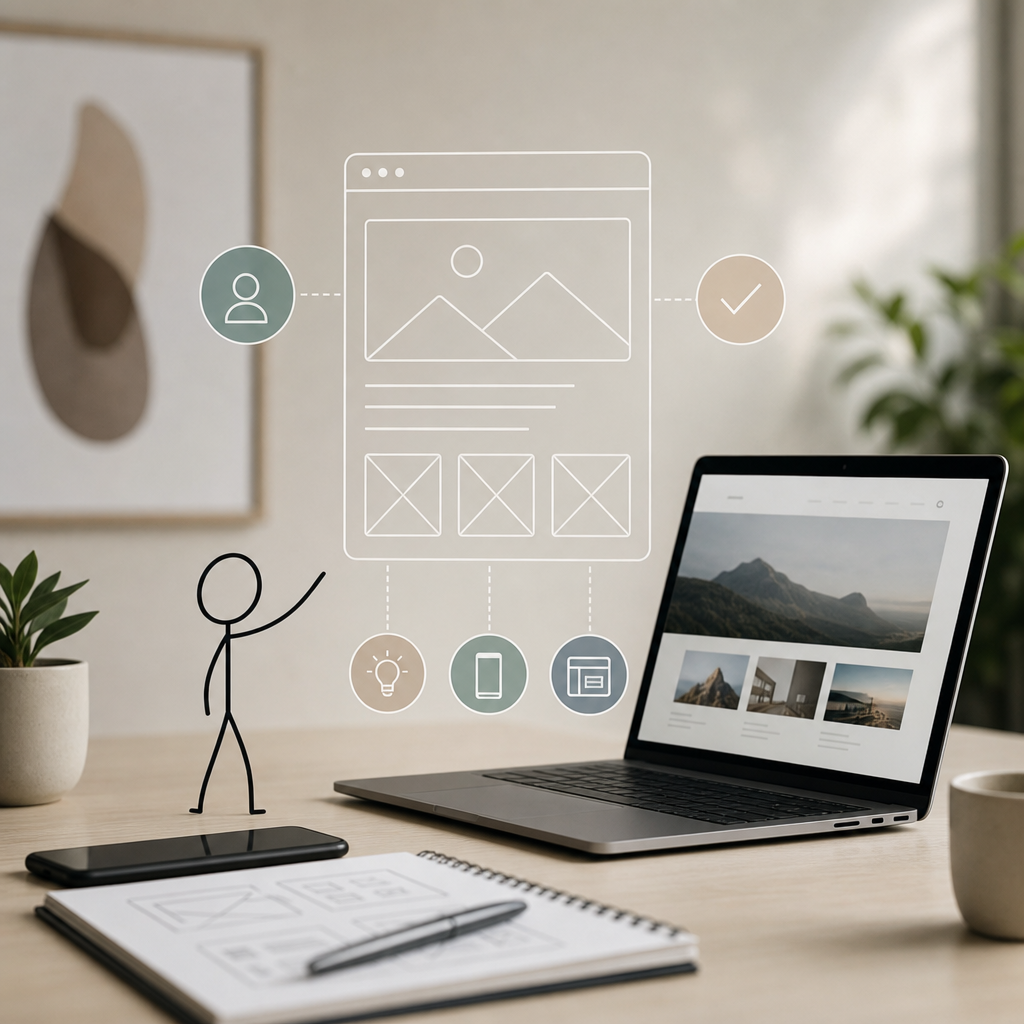
Let’s be honest, creating a website that only looks good isn’t enough anymore. The expectation for online experiences has skyrocketed. Users want functionality and ease, not just eye candy. This is where user-centered web design frameworks come in. They focus on the needs and behaviors of users, making web experiences not just aesthetically pleasing but also highly effective.
But what does 'user-centered' really mean? It means putting the user at the core of your design process. Instead of guessing what users need, these frameworks help you explore, test, and validate ideas with real people through every step of your design journey.
The Basics of User-Centered Design (UCD)
Understanding User Behavior
Before you start creating, you have to know who you’re creating for. That’s where understanding user behavior comes in. Dive into user research, learn about their preferences, their pain points, and what makes them tick. This is critical if you want your design to truly reflect your users' needs.
How do you do this effectively? User interviews, surveys, analytics, and even competitor analysis can provide valuable insights. Digital marketing trends can also offer cues regarding emerging preferences.
Key Principles of UCD
Look, the truth is, there are some principles in UCD you just can't ignore:
- Empathy – Develop a deep understanding of your user's environment, goals, and challenges.
- Flexibility – Keep designs adaptable, as user needs constantly evolve.
- Collaboration – Involve stakeholders and users in the design process from the outset.
Frameworks That Support User-Centered Design
Design Thinking
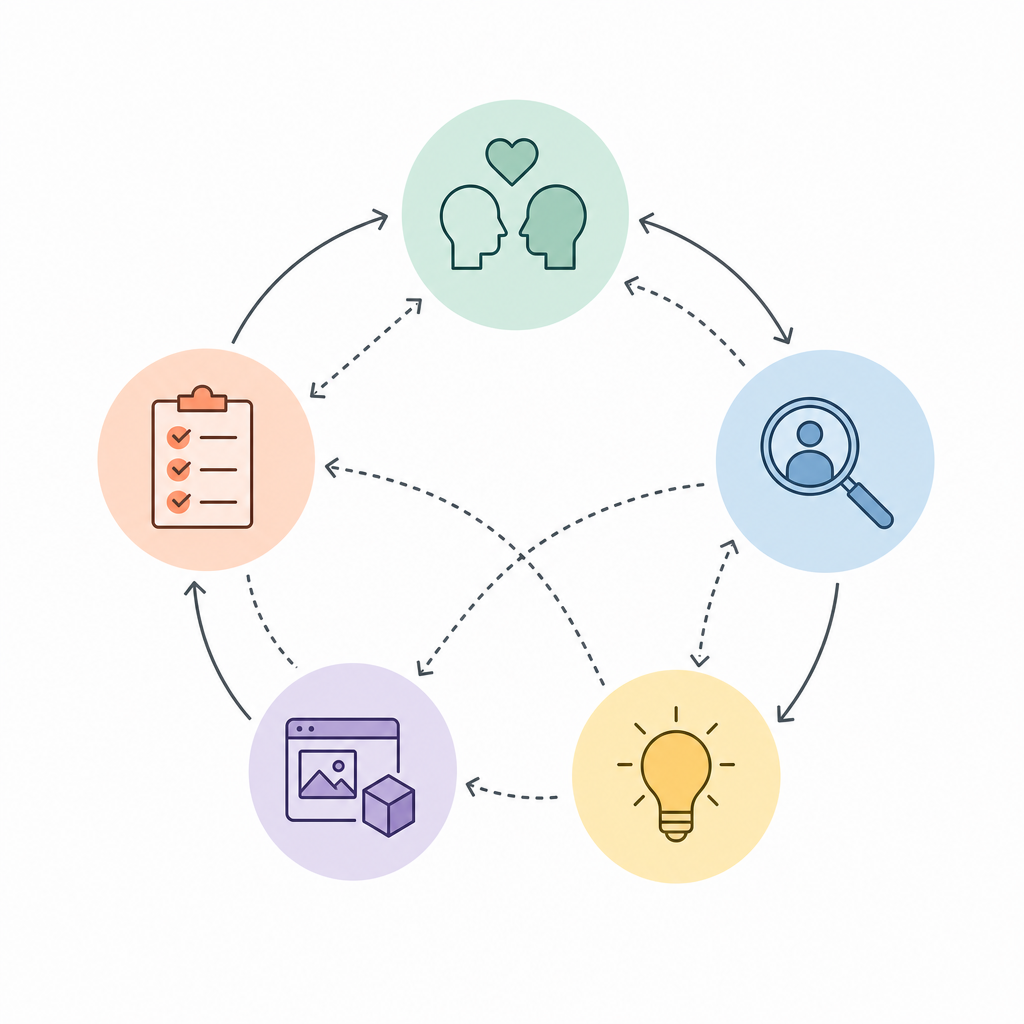
Design thinking isn’t just a buzzword, it’s practically a mantra in user-centered design. This framework promotes iterative development built around feedback and testing. An essential part is the ideation phase, where multiple ideas are generated before whittling them down through prototyping and user testing. This helps ensure you’re solving the right problems with your web design.
The Agile Framework
Ever heard of Agile? Sure you have. Agile emphasizes flexibility and collaboration, typically involving small, cross-functional teams working in sprints. Each sprint is a mini-project, encompassing everything from design to testing. This allows for continuous improvement and swift responses to user feedback. Actually, let me put that differently: Agile is all about staying nimble so you can pivot fast when it's needed.
Best Practices for Implementing UCD Frameworks
Incorporating User Feedback and Testing
Learning doesn’t stop at launch. Continuous user feedback is vital. Frequent testing like A/B testing or usability testing can offer insights into how well your design works in real-world conditions. In fact, integrating feedback loops within your design framework ensures constant improvement and adaptation to evolving user needs.
Want to take this a step further? Implement automated tools to streamline and revolutionize your strategy. Check out automated SEO tools that complement user-centered design practices.
Utilizing Personas and User Stories
User personas and stories provide a window into your user's world. They aren’t just fiction; they’re backed by rock-solid research that reflects broad categories of end-users. Using these tools ensures that your design decisions are guided by real-world insights, not assumptions. Got it?
Case Studies: Success Stories in User-Centered Design
Let’s talk success. Numerous brands have leveraged UCD to create outstanding web experiences.
The Airbnb Experience
Airbnb’s use of user-centered design has been pivotal. By consistently collecting user feedback and making incremental changes based on insights, they created a seamless experience for both hosts and guests. Their home page isn’t just pretty; it’s incredibly intuitive to navigate.
Spotify’s Personalized Interface
Spotify’s success story revolves around their use of personas to guide interface design. By analyzing how different user types interact with their platform, they’ve created a personalized music experience that feels uniquely tailored to each user. The results? A highly engaged and loyal user base.
Challenges in User-Centered Design and How to Overcome Them
Balancing Business Goals with User Needs
It's a tightrope walk—balancing what the user wants with what the business needs. But finding this balance is crucial. One way to address it is through prioritization matrices that help align user needs with business objectives.
Managing Stakeholder Expectations
Another challenge? Stakeholders often have different visions. Setting clear goals and maintaining open communication channels can reduce conflicts and align everyone towards user-centered solutions.
Ultimately, user-centered web design frameworks are not just about making users happy; they’re about ensuring your online presence is both effective and impactful. Incorporate these frameworks diligently, and you won't just meet expectations, you'll exceed them.