
Introduction to AI Content Generation
In the rapidly evolving landscape of digital marketing, AI content generation has emerged as a transformative technology. As businesses strive for a competitive edge, the ability to produce high-quality content at scale is becoming increasingly crucial. AI's role in this domain isn't just a futuristic concept; it's a current reality reshaping strategies and workflows across industries.
This article delves into the essence of AI content generation, exploring its potential to revolutionize content creation, enhance marketing strategies, and offer new avenues for growth.
Understanding AI Content Generation
What is AI Content Generation?
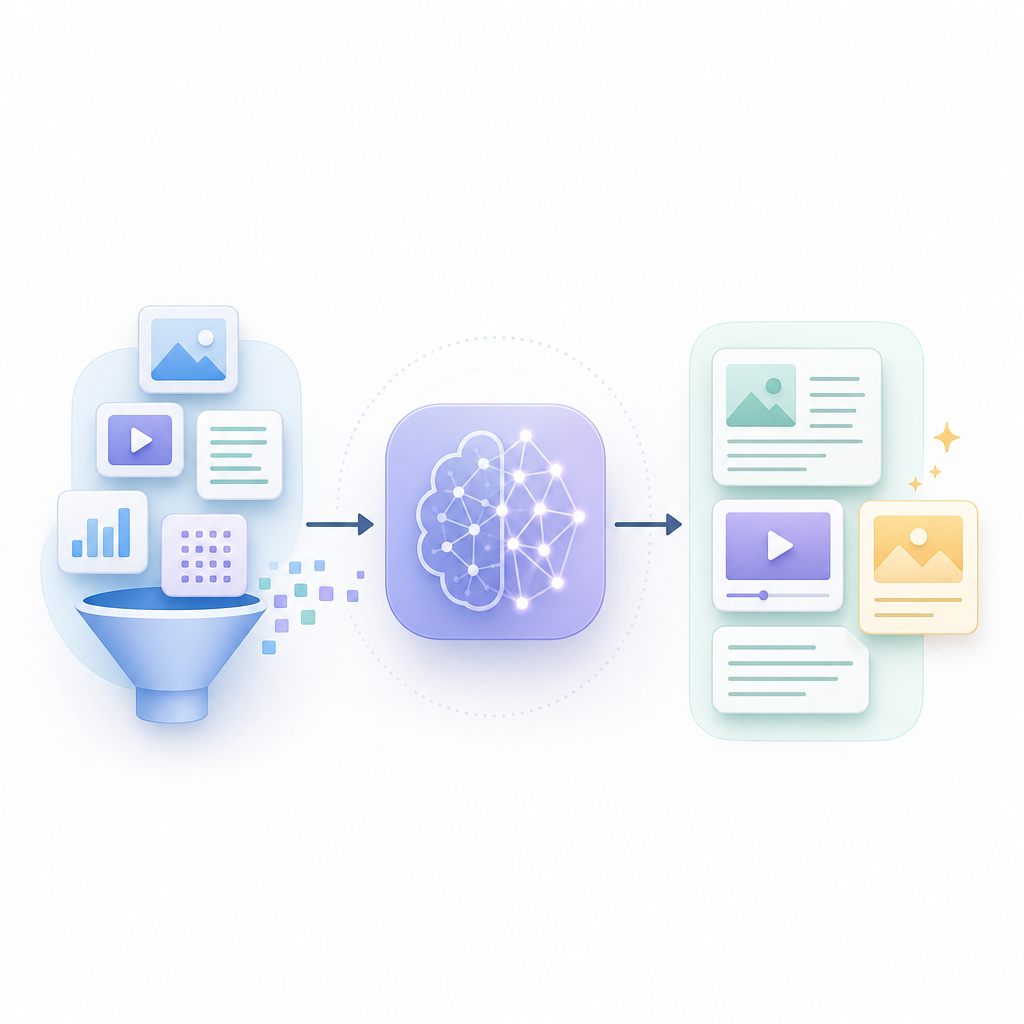
AI content generation refers to the use of artificial intelligence technologies to create written content, videos, and other media autonomously. Leveraging advanced algorithms, AI tools can produce anything from product descriptions and social media posts to full-length articles and reports.
How Does AI Content Generation Work?
These tools primarily use machine learning and natural language processing (NLP) to understand context, semantics, and language nuances. By analyzing vast datasets, AI can recognize patterns and replicate human-like text creation, making it possible to produce diverse and engaging content.
Benefits of AI in Content Creation
Efficiency and Scalability
AI streamlines the content creation process, significantly reducing the time and resources needed to produce content. Businesses can generate large volumes of content without compromising on quality, allowing them to scale operations efficiently.
For instance, AI can automate the generation of product descriptions for e-commerce platforms, leading to faster inventory updates and launches.
Consistency and Quality
Maintaining consistency across marketing materials can be a challenge, especially for larger organizations. AI content generators help ensure that tone, style, and messaging remain consistent, enhancing brand identity and coherence.
Moreover, AI's ability to quickly process and synthesize data ensures high-quality, factually accurate content that can be customized to suit various audiences.
Challenges of AI Content Generation
Ethical Considerations
One of the main concerns surrounding AI-generated content is the ethics of automation and the potential for bias. Machine learning models are only as good as the data they're trained on—if that data contains biases, the generated content will reflect them.
It's essential for businesses to maintain oversight and implement ethical guidelines to ensure that their AI applications generate unbiased and inclusive content.
Human Touch and Creativity
While AI excels at efficiency and data-driven content creation, it lacks the innate creativity and emotional intelligence that human writers offer. Unique storytelling, emotional appeal, and creative flair often require a human touch that AI has yet to replicate successfully.
Businesses may find a balanced approach—using AI for data-heavy tasks while relying on human input for creative direction—to be most effective.
Integrating AI Content Generation into Marketing Strategies
Best Practices for Implementation
- Identify Key Goals: Understand your content goals—whether it's increasing output, improving quality, or enhancing SEO—and align AI tools accordingly.
- Choose the Right Tools: With an array of options available, selecting the right AI tool that fits your business needs is critical. Consider factors like ease of use, integration capabilities, and support services.
- Monitor and Adjust: Regularly analyze the performance of AI-generated content and make necessary adjustments to refine and optimize results.
Case Studies of Success
Several companies have successfully integrated AI into their content strategies. For example, a leading tech company used AI-driven SEO tools to enhance content visibility and engagement, resulting in a significant increase in organic traffic.
Another notable example is an e-commerce giant that employs AI to personalize product recommendations, improving user experience and boosting sales.
The Future Prospects of AI Content Generation
Advancements on the Horizon
The future of AI content generation is promising, with continuous advancements in machine learning and NLP expected to refine and expand its capabilities further. Emerging technologies promise more sophisticated content customization and real-time adaptive learning, potentially rendering AI as adept as humans in content creation.
AI's Role in Shaping Digital Marketing
As the digital marketing ecosystem becomes increasingly data-driven, AI content generation stands poised to play a pivotal role in strategy formulation and execution. Potential developments include more interactive and immersive content experiences powered by AI, reshaping user engagement.
Companies poised at the forefront of this AI revolution will likely see enhanced content performance and a stronger market presence.
Conclusion
The transformative impact of AI content generation on marketing is undeniable. While challenges such as ethical considerations and the need for human creativity remain, the benefits of efficiency, scalability, and quality present a compelling case for adoption.
By leveraging AI tools thoughtfully and ethically, businesses can not only streamline content creation but also revolutionize their entire marketing strategy. As we look to the future, AI's role in content generation is set to grow, offering new opportunities for innovation and growth in the marketing landscape.
For more insights into harnessing automated tools in your strategy, explore our guide on automated SEO tools.