
Introduction to Adaptive User Interface Storytelling
Adaptive user interface storytelling might sound like a mouthful. But at its core, it's about making the digital world more personal and engaging. Imagine a website that changes based on your behavior, interests, and needs in real-time. Wouldn't that feel magical?
In this article, we’ll dive headfirst into the world of adaptive interfaces, exploring how they mesh technology with storytelling to create unforgettable user experiences.
The Core Principles Behind Adaptive Interfaces
What Makes an Interface "Adaptive"?
Adaptive interfaces respond to user behavior in real-time. They aren't static. Instead, they're like chameleons—shifting colors based on the world around them. This dynamism is driven by data, algorithms, and user interaction patterns.
Look, it’s not just about flashy graphics or animations. It’s about crafting a journey that resonates on a personal level. Remember, people don't just visit websites—they experience them.
The Role of Storytelling
Storytelling is the secret sauce that adds depth to adaptive interfaces. Think of it as the narrative arc in a movie. It ensures that every click, scroll, or interaction adds value to the user's journey.
Actually, let me put that differently: a well-told story captivates users. It draws them into a world where they are protagonists navigating through content crafted just for them.
Transformative Benefits of Adaptive Storytelling
Enhancing User Engagement
One key advantage of adaptive storytelling is heightened engagement. By offering content tailored to individual preferences, users are more likely to stay, explore, and engage with the site’s content. For instance, if your website visitors are predominantly marketing professionals, your content can shift to highlight digital marketing trends.
Improved Personalization and Satisfaction
People crave personalization. The rise of AI tools allows websites to offer content that feels tailored to each visitor's unique preferences and habits. This personalized touch enhances the overall satisfaction—making users feel recognized and valued.
But here's the catch: Overdo it, and you risk oversaturation. It's all about balance, like crafting an intriguing storyline that teases, without giving away all its secrets at once.
Designing for Adaptivity: Strategies and Examples
Crafting a Dynamic Layout
An adaptive layout adds an element of surprise and freshness to the user experience. Using AI and machine learning, layouts can be adjusted dynamically, accommodating diverse user demographics and preferences.
For instance, an e-commerce platform might modify its interface for returning customers by highlighting personalized recommendations based on past purchases.
Emotion-Driven Storytelling
Another approach is weaving emotion into your design strategy. By leveraging narrative arcs, a website can evoke a wide range of emotions, making the online journey more relatable. What's the outcome? Users associate your brand with strong, memorable experiences.
So, how do you build an engaging emotional narrative? It starts with identifying the emotions you want to evoke—whether it's excitement, curiosity, or trust—and integrating them into the very fabric of your site’s design and content.
Integrating Adaptive Storytelling with Technology
The Role of Machine Learning
Machine learning is a game-changer in adaptive storytelling. By analyzing user interaction data, machine learning algorithms can predict content that will most likely engage users effectively. These adaptive interfaces grow smarter over time, refining narratives based on real-world feedback.
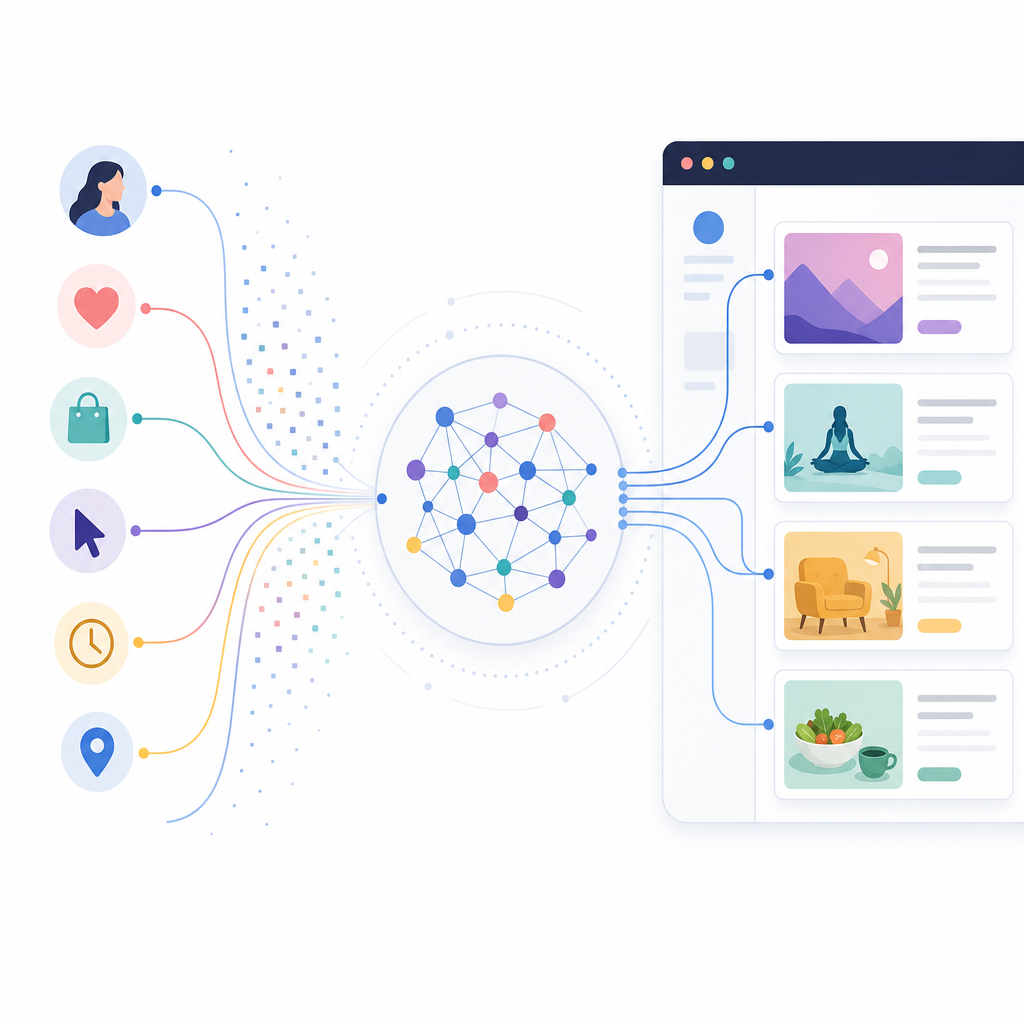
Building Seamless User Experiences with AI
AI technology assists in crafting smooth, intuitive navigation paths that feel custom-built for every visitor. The result? A seamless blend of functionality and story that keeps users coming back for more. If you're interested in seeing how automation can transform your strategies, check out our take on automated SEO tools.
Tangible Steps to Implement Adaptive Storytelling
Step 1: Identify User Needs
The first step in this journey is understanding your users. It's not just about generalized data—diving deep into user personas, preferences, needs, and desires is crucial. Remember, every user tells a story; it’s your job to listen and adapt accordingly.
Step 2: Leverage Data-Driven Insights
Once you've gathered data, the next step is leveraging it wisely. Use analytics to spot patterns, identify trends, and unearth actionable insights. This is where you can begin tailoring your content. Visualizations can assist in turning numbers into actionable stories.
Step 3: Test, Learn, and Iterate
Let's be honest—no storytelling strategy is perfect right out of the gate. It requires continuous refinement. Regular testing and feedback loops allow you to tweak and enhance the user experience continually. After all, adapting is a journey, not a destination.
What's next is truly understanding how your users react to these iterative changes, which can be a fascinating exploration in itself.
Conclusion: Elevating the User Experience
In our digital world, where user attention is the currency, adaptive user interface storytelling isn't just a buzzword—it's an essential strategy. By embedding real-time adaptive elements with narrative storytelling, businesses can craft experiences that resonate profoundly.
And the best part? The journey of adaptive storytelling offers endless opportunities for innovation and creativity. Are you ready to transform your web experience?